“Do you like movies?” he asked.
“No,” I said.
He looked at me.
“I used to,” I said.
“Which ones?”
“Westerns.”
“What did you like about them?”
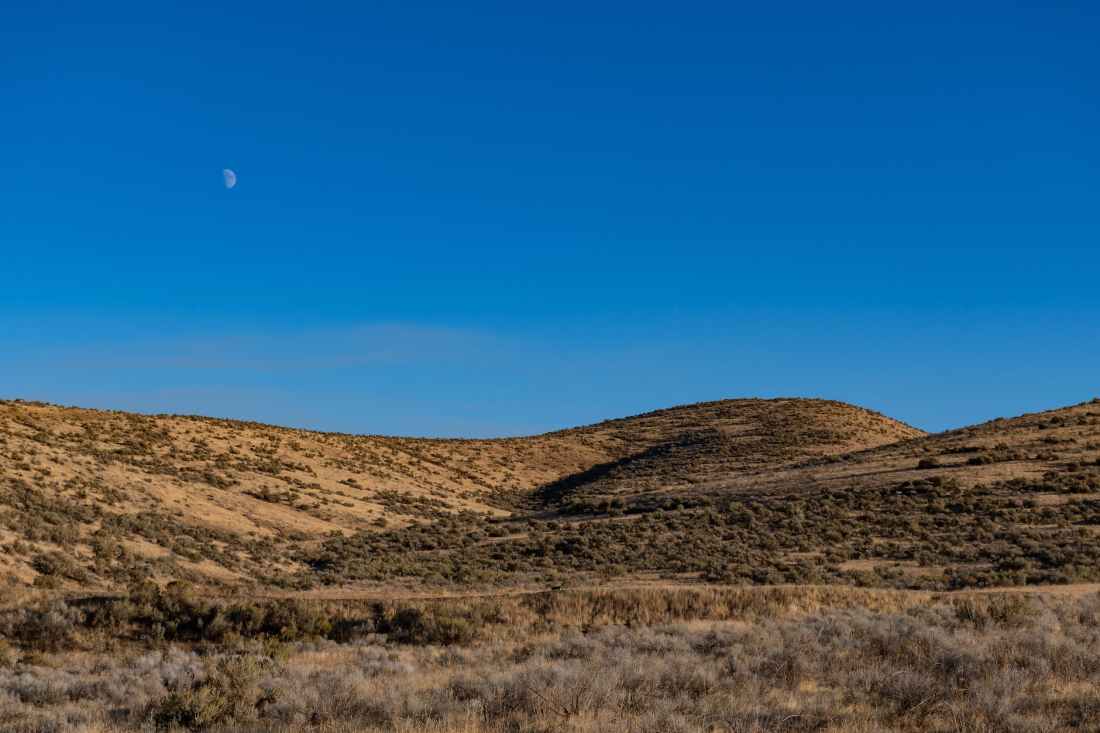
“The vastness,” I said. “I loved the shots of the prairie, of the movie opening or ending with a horizon. I loved seeing a guy riding alone through the beautiful emptiness.”
“Why did you stop watching?”
“They lost their magic. They lost their sense of purpose, of America evolving, of the necessity of good being better than evil and of the good guys winning most of the time. They got too bloody too.”
“A lot of people think blood in films made the westerns more realistic,” he said. “They say movies up until then had pretty much been works of fantasy.”
“I remember,” I said. “I was a kid when The Wild Bunch came out. I loved the blood gushing from the throats. I can see where kids like bloody movies. They have fun talking tough after.
“Being a kid, I thought movies should show the blood in murders and killings. I accepted the arguments of people in the arts and of intellectuals. Those guys said what you say they said.”
“Obviously you disagree.”
“Yes.”
“Why?”
“Because they were not being honest and they were not being thoughtful. Why did things need to be graphic? They should have known that once killings appear just like in real life, the focus goes away from good versus evil, the good guy against the bad guy and the vision of a hero. Nobody wants to be a hero when he sees how bloody the heroism of soldiers and police and noble citizens can be.”
“Go on.”
“The gore appeals to the worst of us. It makes us aware of the destruction we can wreck on somebody. So rather than dreaming of being a hero and of having heroes who defeat the bad guys and are never corrupted, we lust to destroy, even if we don’t act on it. The idea that America produces heroes and is a place where good defeats evil is considered ridiculous or dangerous.”
“You mentioned they weren’t thoughtful.”
“Yes,” I said. “Because of the civil rights movement and our failure in Vietnam, people questioned the goodness of America. They no longer believed in the grand vision of westerns. They did not trust the overwhelming symphonies, their inspiration to rise above our contented selves.”
“They would say they rose above their contented selves by taking a risk participating in the civil rights movement,” he said. “They would also say they opposed evil by protesting the Vietnam War.”
“But they stopped believing in America at the same time they were trying to get equal rights for everybody.
“Their vision about a just and peaceful America was sabotaged by their insistence that grand vision, heroism and good will overcoming evil is a deception that must not be created or encouraged by artists or idealists.”
“Isn’t what you are suggesting an unattainable ideal?”
“Yes, but if a society does not believe in it the society degenerates. We have degenerated. If individuals do not believe in it, individuals degenerate.
“The people I am talking about criticize Americans as conformists. The best way not to be a conformist is to have unattainable ideals.
“The guys who wrote and directed westerns were in a lucarative and competitive profession. They knew the good guys don’t always win, that there are unemployed actors who should have made it but didn’t.
“However jaded they may have been, it didn”t stop them from making movies with a good message, especially for people under 25.”
“Why 25?”
“Because.” I said, ”Everyone knows or should know, that ten year olds need good examples. But it is important for 17-25 year olds to be provided with good examples too. Those are the years you start to get smart. Those are the years you start to get jaded. They need to be shown heroes and told that good is better than evil, that the good guys win.
“Suppose in 1960 -1964 a 23 year old had been living the non-conformist’s life in Nortrh Beach. Well, his father comes to town to check on his wayward son. Dad says, “Let’s see The Magnificent 7.” The son says, ‘Oh dad, that stuff’s corny. Why don’t we go hear jazz?’ ‘Because it starts tooo late!’
“So they see the movie. At the end when three of the good guys are leaving town, the youngest and least worldly turns back to marry the young lady he fell in love with as he and the other good guys defended the town from bandits.
“He wanted to love, have a family, have a community, even though he knew the town might be held up again, his child kidnapped, his wife raped. As they watch the young guy ride back, one of the two good guys turns to the other. ‘We won.’ The other guy says, ‘No we lost. We always lose.’
“That’s profound. the good guys will always win the battle, but evil will never go away because the good guys can’t be everywhere.
“They are not happy, but they’re free. Between their constant risk of death and their endless days in the desert, they are aware of the unattainable idea but shoot for it.”
“What do you mean when you say that unattainable ideals prevent people from being a conformist?”
“If you really believe in liberty, freedom, justice, equality under law, truth, the power of love, the importance of goodness, it isn’t a fashion statement like multi-culturalism is. I think of multi-culturalists as conformists. They are not heroic.
“I don’t expect everybody to be a Martin Luther King, but he at least attained true freedom for himself. He had faith that America is good, that with perseverance and faith America could fulfill its promise.”
“That was the age of westerns,” he said.
“Yes,” I said. “The people who supported him believed in America. They knew they might lose, but they knew they owed it to themselves, their kids and the slaves to fight. There cannot be a Dr. King today because people are cynical. They don’t believe in the goodness or fairness of America. They don’t believe in Christianity. They conform to the worst expectations and ideals of our country. If there was a Dr. King today, he would be laughed at by the poeple who need him most.”
“Are you finished?” he asked.
“No. I find it interesting the Black Power movement started about the time westerns lost their drama and focused on sensationalism. I remember reading one of King’s speeches. He said if we stop having high standards for ourselves, then resort to violence, we will lose.
“He was referring to black people, but the message applied to the country as a whole. If you don’t believe me substitute sex or profanity for violence. Our movies are all about sex, profanity and violence.”
“You mean we are losing,” he said.
We paused.
“I’m still trying to answer your question,” I said. “I realize there are unattainable goals that people latch on to so they do not have to face reality. In that sense they are conformists.”
“Or non-conformists in the worst sense,” he said.
“Yes, but what I am talking about is conviction. People who believe in freedom are accepting high ideals. People who fight for freedom walk their talk. People who think everyone is free to be violent, profane and promiscuous corrupt freedom.”
“They have attainable goals and they fight for them,” he said. “They probably would not consider themselves conformists.”
“They probably would say they do not corrupt freedom either,” I said. “They would probably say there is nothing evil about constant profanity or cheap sex in movies.
“I want to get back to Martin Luther King.”
“Ok,” he said.
“I said that there could not be a man of his stature today because Americans are too cynical and afraid to accept a great man. One of the profound things about King is his naivete. I could see him watching The Magnificent 7 and being inspired by the good guys in their willingness to risk their life for strangers. When the cameras showed the panorama, King probably thought of Jesus in the desert, spread eagled on a rock looking to the sky, asking God for strength and guidance so he does the right thing.
“When the young guy returns to town, King probably cried knowing the strain he puts on his family, knowing that what he wants more than anything is to walk around town holding hands with his wife and patting his kids on the head without worrying about bandits. When Steve McQueen and Yul Brynner ride off for the next battle, King probably knew their loneliness, but because he was doing the Lord’s work in the worlds fairest and freest country, he knew he was winning and could never lose.”
“Dr. King may have been innocent as a dove,” he said, “but he was wise as a serpent too.”
“I agree,” I said. “There is a wisdom to his naivete. Serving God by bringing out the best in you and having faith that an elusive goal will be achieved by hard work is the kind of attitude that our country had until the middle and late sixties. It is the attitude that makes nations superior because it’s a winning attitude.
“The people who pushed for graphic violence and sex and free flowing profanity thought they were and are worldly. They are not wise, they are misguided. They are not naive as in innocent, but foolish as in arrogant.”
“You know King was influenced by Ghandi?” he said.
“Yes,” I said.
“One of the things Ghandi believed,” he said, “was that evil and good are not opposite of each other but can easily be exchanged for each other. They depend on one another.”
“I agree,” I said. “In a way, that’s what I have been saying. When Hollywood got rid of the ideals that the good guys win and that good is better than evil, they were trying to be hoest and good by showing how violent life in the wild west really was. But the focus was not on a hero being honest and good so movie watchers would be challenged to be honest and good helping somebody in a jam. The focus came to be on sincere and disciplined violent people who set a horrible example for spirituallly undisciplined movie goers to rally their angry selves around and to celebrate their cynical attitude.”
“How angry do you think America is?” he said.
“Very angry. It’s un-American to have anger as one of our defining emotions and characteristics. There is not a goodness underlying our anger like there was maturity underlying the anger of the civil rights movement until King died.
“It makes sense that a country so obsessed with showing the worst of realities turned out to be an angry nation. If movie makers show profanity as acceptable, then people will swear more and argue more and make each other angry while everyone demands to be respected.
“That’s what was great about the westerns. Guys earned each other’s respect. I don’t mean the respect of courtesy we should give each other as far as saying please and thank you, but being able to rise to the occasion to make up for past cowardice or to prove to the bandits or lawmen that you, a clerk at the hardware store or you a farmer will and can fight for freedom and your family or a woman.”
“You are saying we do not respect each other like we did,” he said.
“Yes. We lust for blood but not the truth. In the old movies good guys loved truth and stuck up for the weak. There was not graphic violence in their struggle. The desire for truth was graphic. Now we seek to destroy each other, so the violence is what is graphic.”
“Do you think the violence has anything to do with changing ideals of manhood?” he asked.
“I’m glad you mentioned it,” I said. “I have noticed that as men have become more wimpy in life and that as there is no constructive role for men in society and less power for men with children, movies have become increasingly violent, profane and disgusting.”
“What you are saying is in the fifties when men were confident and had a constructive role in society, men in movies were only violent when protecting the weak and sticking up for the truth. Their occasional violence exemplified their strength. You are saying that the violence in the movies today exemplifies men’s weakness.”
“Yes,” I said.
“How do we make men strong again? How do we create this constructive masculinity you say we need? How do we get movie makers to stop making violent movies?”
“Well,” I said. “When men feel confident we will stop watching gruesome movies. When there is a noble role for men in society, movie makers won’t create movies glorifying the worst of masculinity.
“I think men can be made strong again when society backs up its demand for strong men by giving men the dominant role in the family and by repealing laws that make it easy for a man to be arrested and convicted for rape and child abuse.
“Men would then stop being violent out of weakness. Men would have the restraint not to be violent unless his family was being attacked. A man would wonder what he would do if, that’s what these old movies spoke to.”
“At the beginning of our talk you discusssed vastness,” he said. “Do you think there is a vast hole in the psyche of America that could be repaired if Hollywood took on the need for honesty, integrity and restraint in movies?”
“Our vast emptiness and meaninglessness won’t be reparied unless we find new roles for men. But even that won’t be enough. We’d have to change our religion. We’d have to cut back our consumption of a lot of things we do not need.
“One of the things that made westerns great was that owning property was the dominant goal of Americans. People wanted to be safe in their new home. The vast prairie shots symbolized the vast past, the long trip, the precarious present and the glorious future.
“I’d love to see a movie maker try to bring back lust for truth, a sense of restaint, faith in the future. But now people live in cities and want to get rich. A vast landscape would be hard to pull off.”
“But could it be done?” he said.
“Yes,” I said.
“How?”
“The vastness would have to be a shot down an urban rail line with the ocean or the mountains in the background. There would be frequent views up a skyscraper at different times of the day and with different weather. The viewer would get a modern version of vastness, emptiness, isolation, peace, dreaminess, hope and regret.”
“What would a plot be? How would you make a role heroic?”
“I’ll do what I can,” I said.
“Go ahead,” he said.
“Are you ready?”
“Yes.”
“It would begin with a guy practicing karate in front of a huge wall with the bold and magnificent graffiti of the eighties and early nineties. Rap would be playing. As the viewer gets more amped hearing the music, the karate guy becomes more intense. His movements more lethal.
“When the song ends the guy will stop. He’ll walk for blocks along the walls of graffiti. Sometimes when it gets too much too bear he will touch it, step back and look at the whole thing.
“His car is parked across the street from a skyscraper. As he looks up while he gets into the car, the slide guitar of Elmore James begins, as relentless and passionate as the karate guy and the graffiti.
“As he drives back to the office there are perfectly clear shots of the sky, alternating with the calm power of the karate guy’s face and the picture of a woman on his dashboard.
“When the guitar riff ends, he’s parking his car. He gets out and walks confidently into his building. He goes downstairs to the locker room, changes clothes, then emerges from an elevator dressed to kill and walks to his office.
“The next scene will be like a typical movie, the men saying hi man, the women raising their voices and saying oh hi so-and-so. Everybody likes him and respects him.
“When he gets to his office he sits in a chair with his feet on the desk looking out the window and up through the skyscrapers to the sky. He’s on the telephone wheeling and dealing, aggressive and fair the way the good guys in the westerns were.
“The camera focuses on his clothes, his great sense of color as the viewers hear him bargain and gather information and show how well-informed he is. Every once in a while there’s a flashback to the wall of graffiti – how bright and aggressive and well-disciplined it is.
“After his bout on the phone there’s a meeting. But first he calls the woman whose picture is in his car, but not in his office. We can’t hear the conversation because the music is playing. She’s beautiful and it’s rap.
“Should I keep going?”
“Yes.”
“The camera stays long on each of their faces as the rapper raps about what a great fighter he is. It’s hard to tell what they are talking about because there is neither laughter nor anger.
“Then there’s the glance up to the sky. The guy walks to the window and presses his face against it and looks as high as he can.
“Now the scene changes and he enters a room where a meeting will begin. He sits next to another important person as staff talks about sports and what they’re going to do on the weekend. Everyone’s laughing then he says, ‘Let’s get started.’
“He leads a great meeting. He knows how to delegate. There’s no humor, but everyone is jazzed.
“‘All of you are doing a good job,’ he says. ‘I apppreciate the trust we have in each other. Let’s continue to work hard and increase our success and mutual respect.’
“Then the Elmore James music starts again in all its rocky bluesy passion. The camera shows the karate guy interacting with the other executives, participating in conference calls, talking with his subordinates without interrupting them when they speak.
“He’s jazzed about himself, about his job, about being a leader.
“Now it’s the end of the day and he’s one of the last persons out. He practices a few karate moves. He looks up to the top of the skyscraper as dusk is settling in and the city’s lights come on.
“Next he’s driving home listening to someone on a talk show complaining about graffiti. It’s vandalism you know. Don’t the kids have anything better to do?
“The face of the karate guy is motionless. Then the host of the talk show says to the caller, well no, they really don’t have anything better to do.
“In the next scene he’s arriving home walking into a fancy apartment where the woman is. As usual she’s beautiful.
“She’s just got home too. His eyes flash and he walks with his killer confidence to her. After they peck they look at each other and peck again.
“Obviously they don’t have kids. But you feel they should. Two powerful persons who know how to love somebody besides themselves.
“They banter while they cook. Nice jazz plays, enhancing their rapport.
“They sit at dinner. The camera has a vivid shot of her same great sense of color. Her lipstick is exquisite. When she start to talk you cannot contain yourself.
“‘We’re a few years from the peak of our power,’ she says. He does not say anything. ‘Are you excited?’ He says yes. The scene flashes back to him practicing karate at the graffiti wall, then listening to the radio show about the graffiti kids who do not have anything better to do.
“‘I want to help kids.’
“‘How?’
“‘I will teach them karate. Not charge them. I can find a church or school that will allow me to use their space as long as I don’t charge the kids.’
“Jazz plays again as the next few scenes show them talking intimately and laughing. It’s a leisurely dinner. Isn’t it funny how so many great people are not in a hurry?
“Then they turn out the lights in the kitchen and dining room. The next scene is dark too. You hear them talking and think they’re in bed. Then you see them standing at the window in their bedroom looking out on the city that exhilarates them.
“It’s morning now. He’s driving to work on a cloudy day. He is really relaxed. A few days have passed.
“The next scene show him sitting in an office with some people who are at least as important as him. They are board members.
“He says, ‘I want to thank you gentlemen for listening to my proposal. What do you think?’
“‘We can allow you to use space in the basement as long as you do not charge. We think it will be good for the kids and good for the company. We need to expand our presence in the community. Do you think there will be interest on the kids’ part?’
“‘I hope so,’ he smiles. ‘I’m shooting to begin in six weeks’
“They shake hands. He returns to his office. He loosens his tie. The Elmore James music powerhouses back on as he drinks some ice water, walks to the window and watches rain hit it. He has a huge grin.
“Keep going?” I said.
“Yes.”
“He has his work cut out for him. There are a bunch of short scenes showing him walking into offices and talking with people on the phone or in person. He is very focused and relaxed. He looks beautiful walking gracefully.
“One day you know it must be a Saturday because he’s wearing jeans and a windbreaker. But even then he’s beautiful and still looks like an executive.
“He buys a sandwich at a funky deli with all these beautiful women waiting too.
“Then he walks to a park, puts a newspaper on the lawn and sits on it as he looks around with the bag next to him.
“An Aaron Copland symphony starts. The scenes are really long and the music is beautiful. He looks at the city’s skyline, the grand old buildings constructed when Copland and America were rising. He watches clouds behind the buildings.
“When the camera shows him reaching into the bag for lunch the viewer notices that a shadow has moved into where he is sitting.
“The next scene he and his wife talk. He says he will start with the kids soon.
“They speak with their voices muted. Mostly he listens. They look intently into each other, then she walks into her world and he stands in his with stupendous confidence.
“Now he’s at work with Elmore James’ slide screeching. All the honchos are at a meeting. The board members from the permission scene are there with several people as important as them. Something’s up cuz no one’s smiling.
“A stiff guy impeccably dressed tells the executives, ‘Each department head will break the news to the staff under you. This will be done Friday.
“‘Pay checks and a week’s severance pay are in a folder I will give you. There is a note attached to the check of the few we plan to invite back when profits go up to an acceptable level.
“‘Tell them you are receiving a decrease in pay. It is important for our image that upper management suffers in this.’
“When the new scene comes it is quiet. You see the face of the persons getting fired. It is a long long shot. Then you see the face of the karate guy. It’s a long shot too.
“‘Steve I have a family,’ a man says. ‘Things haven’t been going well for us. My wife might divorce me. I’m thinking of my kids.’
“‘I know you are Frank. I’ve seen their pictures at your desk. They are cute kids.
“‘You are a good man. Nobody told me you and your wife are having problems. I am sorry.’
“They look at each other an uncomfortable moment. ‘I appreciate everything you have done for me and for the company. I will write you a letter of recommendation if you like. I am happy to do that for you.’
“Frank just sits there. He’s almost crying. ‘I can’t believe it.’
“Steve stands gracefully and powerfully, letting Frank know he needs to leave.
“Now rap pulses in the background – very abrasive. Steve stands in his office with blinds covering the window he usually looks out of. He goes over, locks his door. He takes his shoes, tie and shirt off.
“Furiously he unleashes karatre moves. You can imagine somone’s head being annihilated and legs being crushed.
“But he still hasn’t unwound.
“It’s after work and there’s an hour or more of light left. He’s getting out of his car.
“He walks to the graffiti walls where the movie began. He’s looking intently at it as he moves. There’s no music. You hear traffic and the sound of his shoes.
“Then Aaron Copland’s music returns as he stands gazing. The camera gradually fades, showing the big gray city with this large spec of brightness and fluidity and primitive humanity.
“All of a sudden there’s a shot of Steve with scary graffiti behind him. He has a suspicious look on his face.
“It’s the police. They pull up, then get out. They are surprised to see someone respectable and poweful.
“‘Everything okay?’ asks one of the officers.
“‘Everything’s fine,’ Steve says. ‘It’s been a long day. I’m stepping out of the box.’
“The cops laugh. ‘There’s not much daylight left.’ One of them points towards the graffiti. ‘It can get dangerous around here.’
“‘I’ll be okay,’ Steve says.
“‘We can’t tell you where to walk,’ the cop says. ‘Be careful. It’s our responsibility to tell you that. These guys think this stuff is art.’
“Steve looks at the cops. They look at him. Each cop says have a nice evening. Steve thanks them for their concern.
“He keeps walking and looking, but there’s no music, no sound. You see a construction crane with a demolition ball in the background.
“Steve stops at the most terrifying and fluid mural. It’s nothing but a challenge like great art is. A shift-change horn blasts and you see belches of smoke from a roof.
“He was too upset from the layoffs to change clothes. He takes off his sport coat with his folded tie poking out of the pocket, then hangs the jacket on a steel fence.
“Rap plays. You can’t make out the words. Steve’s looking a long long time at the mural.
“It’s almost dusk. A dim light bulb on the abandoned warehouse comes on.
“The music gets louder. You hear boingy, boingy, boingy, boingy. Then a song begins:
They create this art so we will see
You gotta be a man or you ain’t free
There’s all this shade
We don’t have it made
Live your truth or you don’t deserve to be laid.
Powwee! Powwee! Freedumb! Tense!
A life in suspense
With unemployed men
Maybe the pen
Again and again.
We try to speak
But we feel like freaks
Really we’re meek
We practice deciet
Singing it loud
We’re ashamed to be proud.
Keep it brief
Really believe
You can brighten y’all
Like these great walls
That challenge your balls.
Suck up the pride
Look in the eye
Feel pain inside
As you long for a wife
For the rest of your life.
Push push push for a job job job
Push real hard
Play all of your cards
Be the powwee
That shows the world you’re free
It takes integrity to move from crazily.
Be the one of her dreams
Who never complains
To who the kids can look up
Because of your love
Not no frightened mouse
But the man in the house.
“Okay?” I said.
“I think so,” he said.
“The next scene shows graffiti guys watching Steve. They’re hidden behind old box cars that have been painted over a million times. They’re as fascinated by him as he is by their art.
“‘He loves it,’ one guy says.
“‘Wait ’till we tell so-and-so,’ another guy says. ‘He put a lot into it. He’ll be surprised somebody this guy’s age likes it.’
“Steve starts to warm up. It’s dark and the scary mural is lit by the dim light.
“‘Holy shhh!’
“‘Goddamn!’
“‘Dude can go.’
“One guy takes out binoculars. They pass them around.
“Steve is in a frenzy, even more than at the beginning.The binoculars zero in on Steve’s face.
“Then the camera fades and you watch Steve doing his killer art in the dim light. It’s fascinating.
“When he stops there’s the end of an Elmore James riff, that great twang of the slide. Steve’s sweating as the camera zooms to his face, then backs off to show his nice clothes.
“‘Dude’s got money.’
“The camera returns to Steve’s face. He turns to look at the killer mural. The voice from the radio show comes on, ‘Don’t the kids have anything better to do?’
“Now Steve gets home. His wife is there. She hasn’t had a good day. They look at each other without pecking. Their great clothes make their unhappiness worse.
“Steve says, ‘Let’s get some air.’ So they go downstairs and into the night. Everyone is alive except them.
“As they walk, there’s a flashback without sound of Steve laying off Frank – the anguish in Frank’s face. Then you see the kind of day she had. You hear the words as one of her big clients dumps her.
“They walk in silence. They pass a group laughingly heartily, then pass a couple dressed plainly having an engaging conversation.
“Steve takes everything in. She’s in a daze. He reaches for her hand. She takes it. He says, ‘We haven’t felt like this in a long time.’ She nods.
“Steve guides them into a dark restaurant, a good one without too many people and little booths tucked away. They sit at right angles to each other, as tucked away as they can get.
“The waiter knows something isn’t right. He hands them a wine list saying he will let them relax for a few minutes.
“There’s a painting of a tortured tree across from them. It’s beautiful. She looks. ‘That is how I feel. Twisted so tight I can scream.’
“‘I feel tortured too,’ he says. ‘I had to lay people off. What happened?’
“‘So-and-so dumped me.’
“Steve purses his lips. You know this isn’t good.
“The wine comes. She takes a gulp, then won’ t drink until they leave.
“She’s looking at Steve. You can hear background voices.
“She’s fighting tears but is too tough to cry. She starts talking about what happened after the camera showed her losing her client.
“‘They told me I charge too much. They said we don’t want to pay for your expensive office. I told them you wouldn’t say that to a man.
“‘I said you can take your business elsewhere. I offered to correct the situation because your company has been such an important client. Why can’t you agree to that?
“‘They said they have to cut corners because the economy is so bad. Their account was 25% of my business.’
“They look each other in the eye a long time then down each other’s face. This will require a good photographer.
“They lean back. Steve sips wine. She sighs and almost cries.
“‘I’m so pissed off. Things have been going so well.’
“She reaches for French bread. Steve watches the painting of the tree then looks around. He turns to her. ‘Keep going.’
“‘I’m good at what I do. It’s demanding. What do they think I’m a professional for – to live simply? What do they think business and our country are all about? Let’s eat.’
“Steve waves the waiter over. They barely look at the menu. Then the camera shows other people in the restaurant – the professionals, the old ladies, the solitary man reading the paper.
“Now the tree is shown again. It really is beautiful. Very muscular and sensual. Very human. Steve has a memory of himself as a bareback young karate competitor making beautiful twists with his gorgeous body.
“‘Are you worried?’ Steve asks.
“She says no. ‘It’s hard to take. It’s embarrassing.’ She looks at him. ‘I think of so many things I could have said.’
“Steve nods. He asks her how long she thinks it will take to build the business back. She says a year.
“They are relaxed but not smiling. Elmore James’ anguished voice and passionate guitar begin. The waiter moves in quickly, says a few words then leaves.
“They take their time like sophisticated people do. They lighten. She looks around a little now that she’s gotten everything out. ‘The painting is beautiful.’
“Steve remembers himself again as a young karate whiz. ‘It’s about to explode,’ he says. ‘The trick is how to make beauty out of your explosiveness.’
“The camera focuses on her face. Steve keeps talking. ‘There’s so much movement in that painting. Great painting should have a sense of motion.’ Her eyes light up.
“They are done. The painting is shown, then we see a guy looking intently at her. When she sees him he looks away. ‘Let’s go,’ she says.
“She takes a deep drink of wine. Steve looks at the painting. They walk majestically through the door to the street.
“It is a new scene. Steve’s standing in the basement of his company wearing his karate outfit. The shot’s a long one. Rap is blasting. There’s kids around dying to learn how to be lethal.
“The camara zooms in to Steve, impeccable. The music stops. Steve’s speaking.
“‘Welcome boys . My company is proud to have you here for what might be one of the great adventures of your life.
“‘Karate is a demanding sport. It can be a deadly sport. If you excel, the amount of power you have and feel will surprise you.
“‘It will take a long time before you are able to use karate to defend yourself and injure people on the street. Your wait will be worthwile. You will either win all of your fights, or be so confident you won’t want to waste your time acting tough and getting into dangerous situations.
“‘I will teach you to the best of my ability. Even if you do not become great at karate, if you practice a long time and put your heart and soul into the art, you will have better control over your body than other people have over theirs. You will also have so much confidence you should succeed in whatever job or career you pursue.’
“Steve starts in. He lines the boys up for exercises. Then he pairs them and shows them fundamental moves and explains the different parts of the body.
“He moves with the assuredness of the great athlete that he is. The boys are impressed.
“It is the end of the class and the boys leave, knowing this man is really something. Steve sits for a minute then accepts a compliment from the janitor: ‘Way to go Stevo!’
“‘Thanks,’ Steve laughs.
“Now he’s driving home in the dark, peaceful and concentrating. He looks at the photograph of his wife. A slow Elmore James number starts to play in the background.
“At home he hurries up the stairs into the apartment. His wife looks up from her purse and stuff on the dining room table.
“She’s smiling, so when she sees his passion she smiles even more. He bursts out, ‘It was great!’
“She pulls him to her and they smooch for a long long time. They really know how to kiss.
“You hope they go to bed because they are such a turn-on. But they don’t.
“They make dinner together, putting a taste of this and a taste of that in each others mouth. They’re laughing. She’s talking up a storm. ‘Then they signed the contract just before noon. After they left I told the ladies, ‘Lunch is on me.’
“‘We went to a great place. We hadn’t enjoyed ourselves that much in a long time.’
“They have a relaxing dinner. They talk about how lucky they are to be successful in jobs they love. Steve says, ‘Think what a strain it is on couples who don’t like their jobs but love each other. They have to make sure they don’t irritate one another complaining about work. They don’t have what we have.’
“They look at each other several seconds then the scene changes.
“Steve’s walking into work. Somebody says ‘Hi Steve. You look good. How’s Vicky?’
“‘She’s great!’
“‘How’s her business?’
“‘It seems to be going well.’
“The compliment jazzes Steve.
“Now the camera shows him confident and tough on the phone, inspiring staff at a meeting, at another meeting being respected by the rest of the bosses. At the end of the bosses meeting the guy who spoke about layoffs rises. He says, ‘Hire back or replace those we designated for rehire when business improves.’ Everyone is happy.
“In his office Steve sits in silence in his chair gazing out the window as he sips water. He’s watching the sunlight on the window and blinds, and on the walls too.
“He pictures Vicky then looks at the clock. It’s noon.
“Steve picks up the phone and arranges for lunch. He meets two men in the lobby then they walk down the hall with beautiful women everywhere.
“Word has gotten around to the lower level staff. Everybody is chatting and smiling. In the elevator someone makes a joke that everyone laughs at.
“Soon as the elevator opens the guitar of Elmore James screeches. Steve and his colleagues are shown laughing as they bustle through the lobby. On the street Steve glances up to the sky in the space between buildings.
“You can still hear the music a little as Steve and the guys talk as they walk. One of the men says he hopes so-and-so comes back.
“Then there’s a troubled look on Steve’s face. The music stops. The guys with Steve sense something is wrong. Then the camera shows Frank, the one Steve had to lay off, walking towards them.
“Frank looks like he’s working. But he isn’t happy. Steve says to his colleagues, “‘This is going to be awkward.’
“‘Steve, I know you don’t have much time for lunch. How’s it going?’
“‘It’s going well Frank. How are you?’
“‘Okay. I’m working at such-and-such. It’s all right. How are things looking at the company?’
“‘Things are still tight.’
“‘You know Steve, I’d really like to come back’
“‘It would be better if you tried to go somewhere else or do something else. How’s your kids?’
“‘They’re good. I’m still married. My wife and I worked things out.’
“‘That’s good. Frank we’ve got to go. I’m still happy to recommend you.’
“‘Sure. See you Steve.’
The three men walk again. One of them says, ‘Was he a good worker?’
“Steve says, ‘He was diligent.’ They start being enthusiastic again, then you see them smiling as they push their successful way into a restaurant through one of those revolving doors that keep the wind and weather out.
“The next scene has Steve walking, slow and graceful. It’s another day. Aaron Copland music plays as he moves, looking at his city and the expanses of sky between buildings.
“He parks on a bench to watch the world, observing faces – their ugliness, their distance, their stress.
“He pictures Vicky. Her beauty. Her passion. Her laugh. How terrible she looked the night she lost her client.
“He remembers telling Vicky how lucky they are. Then he remembers his two conversations with Frank.
“It starts to get windy so he stands, looking at sunlight in the glass of a skyscraper.
“Now Steve’s in a stairwell at work. His papers are on a ledge as he looks out a window.
“The city appears profound. You hear him shuffle papers. Flags blow and the sky is different shades of blue and gray.
“‘Somebody’s walking down the stairs. Steve is intrigued by the sound. He’s watching the skyline and listening to the shoes.
“When the person gets close Steve turns. They recognize each other. The man is an executive like Steve. He smiles, ‘It’s a beautiful view. I do this every day.’ Steve smiles as they shake hands.
“‘I hear you guys hired back some staff.’
“‘We have,’ Steve says. ‘It feels good. I hate to see people let go. I’m all for change, but people make the place. We’ve always had good people.’
“The camera stays on Steve’s face. Then you hear, ‘It looks like you’re preparing something.’
“‘I am. The staff has been working so hard, I feel I better rise to the occasion and keep up with them.’
“‘The inspirer has been inspired by those he inspires.’
“They both laugh. ‘Yeah,’ Steve says with a huge grin. ‘Thanks.’
“Then there’s the silence. Just as the man’s smile is about to end he says, ‘How’s your wife’s business?’
“‘It’s doing well. There was a rocky stage a while ago but she pulled through. She has tremendous skill.’
“‘I know. One of her former clients is a friend of mine. They regret leaving her.’
“‘You mean so-and-so?’
“‘Yes.’
“‘Part of being a professional is admitting your mistake and part of being a professional is to swallow your bruised ego if somebody let you go then wants to rehire you.’
“‘You’re right,’ the man says.
“‘Business is tough even when times are good,’ Steve says.
“‘I agree.’
“They look at their watches. Then they glance out the window. ‘Once I stood here for half an hour,’ the man says as the camera pans the skyline. ‘Then when I got to my office I shut the door and looked out for another twenty minutes.’
“‘I know what you mean,’ Steve says.
“This time we see Steve at the conclusion of a meeting with staff. He’s never been this poised.
’Steve great meeting.’
’Steve that was great.’
’Steve you outdid yourself.’
“After everybody has left a guy eases up to him. ‘You know Steve, during the layoff I thought about you, how much integrity you have. It’s good to be working here for you again.’
“Steve is moved. ‘Thank you Ken. Thank you very much.’
“Rap is blasting. There’s a long shot of Steve teaching his karate students. The music becomes less loud, the scene closer.
“He has a few more students and an assistant. Everyone has a rapport.
“When class is over Steve is talking with a small group of parents. Somebody asks him ‘How good can the boys become?’
“Steve says, ‘Here’s how I want you to look at it. If they stick with it they will have self-mastery. We can’t expect boys to have spiritual self-mastery, but if they stick with this it can be a spiritual experience.
“‘I’m not denying the violence. People, especially kids, need to use their bodies. Some people need to compete violently. Kids can hurt their arms if they pitch in baseball. Girls can really hurt their feet and knees if they dance ballet past high school. Skateboarders are always getting injured.
“‘Most of your kids here can become proficient if they want to. Most of them probably won’t want to. The main thing is that they learn self-discipline and develop a stronger and more co-ordinated body. Hopefully I can make them talented in karate, but it requires a lot of work.
“The scene fades. Rap plays again but it is not loud. The camera shows a long shot of Steve still talking to the parents. You get the feeling he will talk with them all night.
“Now Steve and Vicky sit in a restaurant. It’s lunch time during the week. They’re finishing. They look beautiful and they laugh. You want to take each of them home with you so you can bask in their success and confidence.
“But you can’t so the camera zooms to Vicky’s alluring face, then over to Steve, fit for his times but who knows money doesn’t make the man.
“As he laughs and turns sun comes through the window onto his face. They look to the sidewalk watching the world pass, sunlight dappling on the glass and people’s clothes.
“After young black guys shuffle by you hear Vicky’s voice. ‘I was over in such-and-such this morning. I had to go through the alley to get to my client’s office. There was graffiti all over the walls. It scared me but it was mesmerizing at the same time. I remembered what you said about creating beauty out of explosiveness.’
“The next scene shows them standing at the table ready to go. They are still loose. They peck. ‘See ya tonight.’
“It’s karate time again. Steve watches the kids compete with one another. You hear the boys and some background speech by the parents.
“His face is filled with concentration. When the camera changes he’s walking among the parents after class, smiling, telling them Johnny’s getting better and Bill has tremendous passion. The scene ends with Steve laughing after somebody makes a comment.
“Now we’re at a karate match. Steve’s competing. He doesn’t look good. It’s hard to think of him losing and looking lousy. There’s emptiness in your stomach.
“As you are sure he’s going down an Elmore James tune comes on slow and painful. Steve gathers his composure after his defeat, then moves to shake the hand of the guy who whooped him.
“The music gets louder. Steve is shown walking away, putting on his street clothes, heading to the car. It’s a beautiful day but he doesn’t see it.
“At home he sits in the living room drinking ice water. Vicky talks. ‘Sometimes you lose. You told me a professional has to know how to lose.’
“‘I know,’ he says. ‘I don’t want it to become a habit.’
“‘With your high standards it isn’t going to become a habit.’
“‘You’re right,’ Steve says. ‘It just kills me.’ He looks away.
“With the new scene Steve’s winding down his day. He looks great.
“He’s in his chair in his office as sunlight fills the room. He receives a call, gets his desk in order after he hangs up, then gathers his stuff.
“Before he goes he steps gracefully to the window gazing to the sky between buildings. The scene lasts a long time. Aaron Copland’s music begins to play.
“It’s still playing as he gets out of his car. He breathes deep. Looks around.
“Unflappable, he goes to find graffiti in the industrial and warehouse part of town. You can tell he’s jazzed.
“The camera zooms to his face – confident, successful, his eyes taking everything in. Then you see his jaw drop.
“The music stops. Steve’s stopped. The camera pans the old warehouses, a mile of them whitewashed.
“No more graffiti. No more inspiration for Steve. He looks like a ghost.
“His eyes become the focus. You see graffiti reflected in them. You hear the guy from the talk show ranting about the kids not having anything to do. You see the mean looking black boys pass the restaurant Steve and Vicky had lunch in. Then there’s a a flashback to the twisted tree the night Vicky lost her client.
“Steve’s wiping his cheeks as he looks again in disbelief. There’s immense sadness in his eyes. You hear her voice, ‘You told me a professional has to know how to lose.’
“A medium-range shot shows him taking the stairs at work as sun streams into the stairwell. He moves quick, glancing out of the window of each floor. Finally, when he’s outside the office he stops. He gazes – his back to the camera. Sun’s all over him. The camera fades. Steve gets smaller, the light in the stairwell more noticeable.
“Before the next scene comes into focus you hear women laughing. Elmore James starts to play. It’s a going-away-party for a staff member who’s moving up.
“The happy man is shown shaking hands and chatting with a small group. When they leave, Steve eases over to shake his hand. ‘You’ll do well,’ but somebody interrupts them so Steve goes to mingle, engaging and listening with his great attentiveness.
“As the party breaks up the man and Steve see each other. You can tell by his expression he really wants to say something. He heads to Steve. ‘I know we haven’t worked regularly together Steve. I want to say you have an enormous amount of class. You inspire me.’
“Now rap’s blaring at karate class. You see Steve’s face. Intensely he watches the students. As the music quiets he moves gracefully to show some of them how to defend and destroy properly. ‘Continue to practice this and nobody will be able to hit you again.’
“The boys admire him. There are a few more students. After he and the assistant have helped each of them with this move a boy asks, ‘Will I be able to beat five guys?’ Steve doesn’t laugh. ‘You will have to be very very good and in tip top condition. First learn the art and get into great shape. No matter how skilled you are, if you are not in great shape you won’t beat five guys. A lot of street fighters are very tough and they love to fight. Some of them lift weights and run all the time. Do not underestimate someone just because you become good at karate.’
“When class is over some of the parents talk with him. ‘My son is becoming very discipllined Steve. It’s tough being a kid today. They need all the help they can get. My wife and I really appreciate all you are doing.’
“Steve’s eyes sparkle. ‘You’re right. It’s always tough to be a kid. This means the world to me.’
“But that isn’t the end. A woman touches Steve on the arm. ‘This has been the best thing for my son. He finally has some direction. You do this for free. I’m very grateful.’
“‘Thank you,’ says Steve. ‘I love to help people.’
“You see him leaving the basement. When he pulls onto the street light rain falls onto his windshield. He loves it. He smiles beautifully.
“Rain’s falling a little harder on a big window. You hear footsteps. A door opens.
“Copland’s music begins to play. There’s no beat, but you feel the rhythm because of the rain.
“Steve and Vicky walk toward each other. They laugh. They peck. They hug.
“‘What a day,’ Steve laughs as he brings his head up and his eyes flash at Vicky. They embrace like they will hug a long time. The camera shifts to the window and rain.
“In the reflection they’re sitting at their table filled with confidence and power, still looking great at 9:00 pm.
“The camera moves from the window to get closer to their beauty. ‘It made me proud,’ Steve says. ‘Today three people complimented me.
“‘A staff member I don’t know very well received a promotion. We had a party for him before he left. I wished him good luck but couldn’t say anything because everybody wanted to talk with him. Then at the end of the party he comes to me, ‘You inspire me.’ I was floored. We’ve worked very little together.’
“Now there’s a close-up of Vicky. Her mouth is exquisite. You want to see it move but she doesn’t say anything. She waits.
“Steve sips ice water. Gestures with his eyes. ‘Then after class a man and then a single woman tell me how much their son benefits from karate. They really appreciated it. That’s why I started the class. The man said it’s hard to be young today. I told him I agree.’
“He pauses and looks a Vicky. ‘It’s turned out better than I hoped.’
“They look at each other for several seconds without saying anything. Then Copland’s music begins again. You watch Vicky and Steve talk without hearing what they say.
“When their voices come back Vicky beams. ‘After we renewed our contract he said – Victoria- your services have helped me make a lot of money. I’m sending each of my kids to an Ivy League school.’
“‘After he left I poured myself a glass of wine and laughed.’
“Dinner’s over. Steve’s sitting in the living room in silence looking at a black and white photograph of Half Dome with snow hanging on the wall. ‘I’m going to bed.’ It’s Vicky in an arousing bath robe. She’s barefoot and gorgeous.
“Steve turns. ‘I’ll be right in.’ You’re thinking. Yeah. Yeah. Go. Go.
“The next scene shows their dark bedroom. They’re talking but you can’t understand them. Now you see rain hammering the window.
“The camera backs off to show Steve and Vicky standing there looking out.
“‘We’re at our peak.’
“‘We’re incredibly lucky.’
“That’s it. Rap booms as rain hits harder on the window. The camera pans the city, ending on a row of rail cars glistening with graffiti lit by a dim light.”
Copyright © 2025 by David Vaszko



 David Vaszko's Blog